We are proud members of Uechi Ryu International Karate Do, also known as Uechi International, established under the leadership of Chairman Master Sensei Robert J. Campbell. Founded in 1980 while Campbell Sensei was living and working in Asia, Uechi International has evolved over the years into one of the premier Uechi associations globally.
Brief History of Uechi-Ryū Karate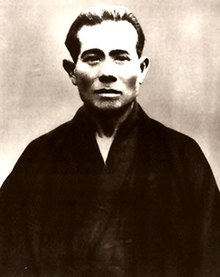
Uechi-Ryū (上地流, Uechi-Ryū) is a traditional style of Okinawan karate. Uechi-Ryū means “Style of Uechi” or “School of Uechi”. Originally called Pangai-noon, which translates to English as “half-hard, half-soft”, the style was renamed Uechi-Ryū in honour of the founder of the style, Kanbun Uechi, an Okinawan who went to Fuzhou in Fujian Province, China to study martial arts and Chinese medicine. After returning to Japan, in 1932 when he opened the “Pangai-noon Ryu Karate Academy” to the general public and his son Kanei.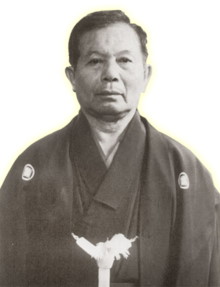
After Kanbun Uechi’s death, in 1948, the style was refined, expanded, and popularized by his son, Kanei Uechi. Kanbun Uechi’s son, Kanei Uechi, taught the style at the Futenma City Dojo, Okinawa, and was considered the first Okinawan to sanction teaching foreigners, including this dojo’s Sensei Jim Hulse.
Uechi-Ryū Karate Style
Uechi-Ryū emphasizes toughness of body with quick blows and kicks. Some of the more distinctive weapons of Uechi practitioners are the one-knuckle punch shōken zuki (小拳突き, shōken zuki), spearhand nukite (貫手突き, nukite), and the front kick shōmen geri (正面蹴り, shōmen geri) delivered with the first toe (sokusen geri). On account of this emphasis on simplicity, stability, and a combination of linear and circular movements, proponents claim the style is more practical for self-defense than most other martial arts.
Read More
